
- Distracted Driving
- Speeding
- Drunk Driving
- Reckless Driving
- Inclement Weather
- Running Intersections
- Teenagers
- Night Driving
- Design Defects
- Unsafe Lane Changes
- Wrong-Way Driving
- Improper Turns
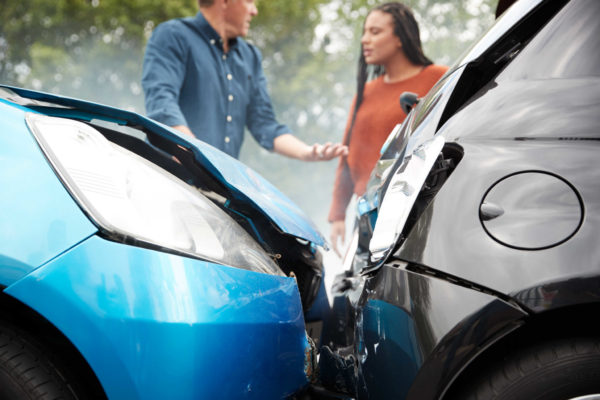
Being involved in a car accident is stressful, and the aftermath of a car wreck can compound that stress. From injury to property damage, medical bills to lost wages, you may be dealing with more than you bargained for with a car accident. In the first nine months of 2024 alone, an estimated 29,135 people lost their lives in motor vehicle crashes in the U.S., marking a 4.4% decline from the same period in 2023, according to the National Highway Traffic Safety Administration (NHTSA). Despite this decrease, thousands of preventable crashes still occur every day.
So, what is the leading cause of vehicle accidents?
While some car accidents aren’t avoidable, many are. Studies show that human error is a factor in approximately 94% of crashes (NHTSA), with speeding, distracted driving, and impaired driving among the top culprits. Below you will find a list of the most common causes of car accidents. Knowing these risk factors can help you stay alert and potentially avoid getting involved in a collision of your own.
1. Distracted Driving
Undoubtedly, distracted driving is the leading cause of auto accidents. Distracted drivers do not have their complete attention on the road, and they may be paying closer attention to a mobile device, passengers, or even a cheeseburger. Remember that your only job when you are behind the wheel is to safely get where you are going. Many distracted drivers are usually drivers who have been driving a long time and think they can multitask. Do not let yourself fall victim to this mindset.
2. Speeding
We have all had drivers blast past us on the highway, even when going over the speed limit ourselves. It is not unusual for people to drive 10, 15, or even 20 miles over the posted speed limit. Keep in mind that the faster you drive, the slower your reaction time. If you need to prevent a car accident while driving 20 miles over the limit, chances are very high that the accident won’t be prevented.
3. Drunk Driving
Any person who drinks or drives under the influence and gets behind the wheel is a danger to themselves and others. When you drink, your senses and cognitive functions are dulled; getting behind the wheel, your reaction times are slowed, and your decision-making capabilities are compromised. Find a sober party to take you home if you decide to drink.
4. Reckless Driving
Weaving in and out of traffic. Tailgating and cutting other drivers off. These are all examples of reckless driving, and each can cause a severe accident. If you see anyone driving like this around you, back off and give them space. Reckless drivers can be seen speeding as they weave in and out of traffic, so be careful as you drive and make your maneuvers. There is nothing you are going to do to make the driver more safe. Protect yourself and report the driver.
5. Inclement Weather
Whether it’s rain or snow, rough weather can create hazardous driving conditions. Water creates slick roadways and can cause cars to slip and slide without warning. Such weather conditions can cause accidents. If you are stuck in a rainstorm, drive extra carefully. Even if you think your tires are sticking to the road as they should, the chances are that they aren’t. Do not risk it. With snow and cold weather, the roads can ice over and cause cars to slide if you have to slam on the brakes.
6. Running Intersections
Running through red lights and stop signs is another leading cause of vehicle accidents. Red means stop, and it isn’t a suggestion for you to do as you wish. If you see a light turn yellow, slow down instead of speeding up to try and “catch” it. Don’t be tempted to run stop signs near your home as so many people are. Come to a complete stop. The extra 10 seconds you have to wait isn’t worth risking your life.
7. Teenagers
Teenage drivers are dangerous because of their inexperience. A teenager experiencing new driving situations will not know how to react. Teenagers are responsible for causing car accidents every day. If you see a young person behind the wheel, stay behind them and give them room. Teenagers can also fall victim to distracted driving with their phones or friends being in the car.
8. Night Driving
Many people aren’t aware that nighttime driving increases the risk of an accident by nearly double. It can be challenging to see what is ahead of you or coming at you from the side. When the sun begins to fall from the sky, your awareness must be heightened. Night driving can also lead to drowsiness. Drowsiness can lead to lane veering either into other lanes or towards the median, grass area, or curbs.
9. Design Defects
If you are of a certain age, you may remember a Geo Tracker vehicle. The small SUV made headlines because of its propensity to tip over around turns when they weren’t taken with caution. The Tracker isn’t alone. Many manufacturers have produced cars and trucks with design defects that make them vulnerable to accidents.
10. Unsafe Lane Changes
Have you ever had someone cut you off? The chances are that you have. When passing another vehicle, make sure that you have plenty of room to get in front of them when you decide to. If you don’t have enough space to pass safely, don’t. It is that simple. Pay close attention to either side of your vehicle before you decide to change lanes. Also, make sure that you are using your blinker when changing lanes to let everyone else know about your lane changes.
11. Wrong-Way Driving
It’s easy to turn the wrong way down a street, especially when unfamiliar with the area. Be sure that you pay attention to signs indicating one-way roads. Before getting onto and off of highway ramps, know which direction you need to travel. Wrong-way drivers are especially dangerous because people are not on the lookout for them and often react too late.
12. Improper Turns
When you approach an intersection, be sure that you are in the proper lane for your intended direction of travel. If you find that you were in a straight line when you wanted to turn, keep going straight. You can always go around the block or turn around in someone’s driveway or a public parking lot, and either is a safer alternative than cutting across lanes.
Many accidents can be avoided if people pay more attention or make better decisions. There are dozens of reasons that accidents occur, and, in truth, some can’t be predicted. Things like drunk driving, reckless driving, and speeding, for example, are solely at the driver’s discretion.
If you have been involved in an accident, you need an experienced car accident attorney on your side fighting for the compensation you may be entitled to under the law. Call our office today and let a member of our team provide you with a free case evaluation. We know that you are under a great deal of stress and we want to do everything in our power to assist you through this difficult time. Call now or browse our website for more information about our firm.