


Hurt in Fort Lauderdale and suddenly drowning in pain, bills, and insurance calls?
After a crash or serious injury, it’s normal to feel scared, angry, and unsure what comes next. You shouldn’t have to figure out the legal system or argue with an insurance adjuster while you’re just trying to get through the day. We step in, deal with the insurance company, and fight to get you paid while you focus on healing.
Our local legal team knows Broward County roads, courts, and insurers. We have:
- Over $2 billion recovered for injured clients
- 4.9 out of 5 rating with over 2 thousand clients` reviews
- No fees unless we win your case
- 24/7 help — call, text, or start your free case review
Why You Need a Fort Lauderdale Personal Injury Lawyer
After a serious accident, most people try to “deal with insurance” on their own. That’s usually when things start to go wrong.
The insurance company is not on your side
Adjusters may sound kind, but their job is to pay as little as possible. Many clients come to us after:
- Getting a lowball offer that doesn’t touch their real losses
- Feeling pressured to give statements or sign forms
- Being told they “don’t need a lawyer”
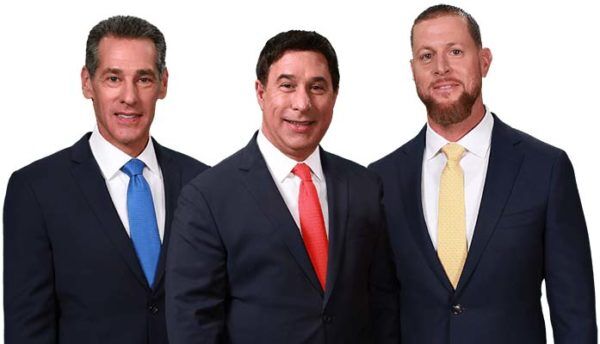
When that happens, we step in, take over all communication with the insurance company, protect what you say, and push for a result that actually reflects your medical bills, pain, and future needs so you’re not talked into an unfair settlement.
Bills, lost wages, and stress add up fast
ER visits, scans, therapy, time off work – it all piles up quickly, and it’s normal to worry: “Who is going to pay for all of this?” Victims often feel buried long before the first big bill arrives.
We step in to sort out who should be paying what under your insurance and Florida law, track your medical care, lost income, and day-to-day impact, and build a claim that looks at the full picture, not just the first hospital bill, so you have a clear path forward instead of guessing what comes next.
Steps To Take After an Injury
Every injury is different, but these steps can help protect your health, your family, and your legal rights. If you’re reading this after the fact, don’t panic, start where you are, and we can help fill in the gaps.
- Step 1: Get to safety and call for help
- Move away from traffic, hazards, or unsafe conditions.
- Call 911 if anyone is hurt or you suspect serious injuries.
- Step 2: Seek medical attention right away
- See a doctor as soon as possible, even if you feel “mostly okay.”
- Describe all symptoms and follow your doctor’s advice and appointments.
- Go back if new symptoms appear or old ones get worse — your medical records will be important later.
- Step 3: Report the incident
- Car crash: Report it to police or file a crash report promptly.
- Business or property injury: Report it to the owner or manager and ask for an incident report.
- Work injury: Notify your employer or supervisor right away.
Keep copies or photos of any reports you receive.
- Step 4: Preserve evidence
- Take photos or videos of the scene, hazards, vehicles, and your visible injuries.
- Get names and contact details of witnesses.
- Save damaged clothing or items.
- Step 5: Be careful what you say and sign.
- Don’t admit fault or argue about blame.
- Avoid giving recorded statements to any insurer before talking to a lawyer.
- Don’t sign settlements, releases, or broad medical authorizations without legal advice.
- Step 6: Track your medical care and costs
- Save all medical bills, receipts, and insurance explanations.
- Track lost wages, missed workdays, and changes to your job or hours.
- Keep receipts for medications, equipment, travel to appointments, childcare, and other out-of-pocket costs.
- Consider a simple journal of pain, sleep issues, emotional stress, and daily limitations.
- Step 8: Consult a personal injury lawyer quickly
- The sooner we’re involved, the more we can do to protect your claim and evidence.
Florida Personal Injury Law
Florida’s no-fault rules, fault laws, and strict deadlines can be unforgiving if you make a mistake or wait too long to act.
What Counts as a Personal Injury Case?
Under Florida law, a personal injury case generally arises when:
- Someone is negligent – a distracted driver, a store that ignores a spill, a property owner who fails to fix a known hazard.
- A person or business acts recklessly or intentionally – such as certain assaults or road-rage incidents.
- A company sells or markets a defective product that injures a consumer.
In every case, the key question is whether another person or business failed to act with reasonable care and that failure caused your injuries.
How Negligence Works Under Florida Law
In a typical negligence case, you must show that:
- A legal duty of care existed – someone had a responsibility to act reasonably to avoid harming you or the public.
- That duty was breached – they failed to act with reasonable care (speeding, ignoring a hazard, breaking safety rules).
- The breach caused your injuries – their conduct directly led to your accident and harm.
- You suffered damages – medical bills, lost income, pain, and other losses.
Florida also places heightened duties on businesses and property owners. They must take reasonable steps to keep premises safe, fix or warn about dangerous conditions, and follow safety standards. When they don’t, and someone is hurt, they can be held responsible.
Florida’s Modified Comparative Negligence Rule
Florida now uses a modified comparative negligence system for most negligence cases:
- If you are more than 50% at fault, you cannot recover damages.
- If you are 50% or less at fault, you can still recover compensation, reduced by your percentage of fault.
This change came with the 2023 tort reform law (HB 837), replacing the old system where you could recover even if you were mostly at fault. This modified comparative negligence rule does not apply to medical malpractice cases, which follow separate rules.
Every case is different, and fault is not always clear at the beginning. Our job is to gather evidence, challenge unfair blame, and work to keep you on the right side of that 51% line whenever the facts support it.
Deadlines to File an Injury Lawsuit
For most negligence-based personal injury claims, including many car accidents and slip and fall cases, the statute of limitations is now two years from the date of the accident for incidents on or after March 24, 2023. Cases from before that date may still fall under the previous four-year deadline.
Other claims, like wrongful death and medical malpractice, have their own specific time limits and requirements, which can be shorter or more complex.
Because missing a deadline can completely bar your claim, we encourage injured people and families to reach out as soon as possible. We can review what happened, determine which time limits apply to your case, and work to keep your rights protected.
Compensation in Personal Injury Cases
First, know that insurance compensation works differently by case type
- Motor vehicle accidents: Florida drivers often use their own PIP first, then may pursue at-fault parties if injuries are serious.
- Injuries on someone else’s property: Usually go through the property owner’s liability insurance.
- Work injuries: May involve workers’ compensation and sometimes third-party claims (like another driver or contractor).
In Fort Lauderdale personal injury cases, including crashes, falls, medical malpractice, and catastrophic injuries like spinal cord damage, traumatic brain injuries, or amputations, you may be able to recover different types of compensation depending on how the injury has changed your life.
Financial Compensation
These are the direct financial losses you can put receipts or numbers to, which are especially significant in catastrophic injury cases:
- Past and future medical expenses – hospital bills, surgeries, doctor visits, medications, rehabilitation, in-home care, long-term treatment, and medical equipment or assistive devices (such as wheelchairs, braces, or prosthetics).
- Lost wages and loss of earning capacity – income you’ve already lost because you couldn’t work, plus reduced earning ability if your injuries affect your job or career long term. For catastrophic injuries, this often includes the lifetime loss of earnings for the injury victim.
- Property damage – repair or replacement of your vehicle in a crash, and any other personal property damaged in the incident.
- Home and lifestyle modifications (in severe cases) – costs related to modifying your home or vehicle, employing caregivers, or making other changes to live as independently and safely as possible.
Non-Financial (Non-Economic) Compensation
These damages recognize how the injury has changed your life beyond the bills:
- Pain and suffering – ongoing physical pain, discomfort, and limitations.
- Emotional distress – anxiety, depression, trauma, sleep problems, and other mental health impacts.
- Loss of enjoyment of life – when you can’t return to hobbies, activities, or daily routines you used to enjoy, which is often a major factor in catastrophic injury cases.
- Loss of consortium – in some cases, harm to a spouse’s relationship, companionship, and support.
Wrongful Death Damages
When a loved one is killed because of someone else’s negligence or intentional act, Florida law allows certain family members to seek:
- Funeral and burial expenses
- Loss of the decedent’s income and benefits
- Loss of support, guidance, and companionship
- Mental pain and suffering for eligible survivors
Punitive Damages (In Limited Cases)
In rare cases involving intentional misconduct or gross negligence, a court may award punitive damages. These are not tied to your specific losses; they are meant to punish especially extreme conduct and deter similar behavior in the future, and Florida law places limits on how much can be awarded in most situations.
Personal Injury Case Types and Practice Areas
Car Accidents
According to Florida Highway Safety and Motor Vehicles (FLHSMV) data, Broward County reported over 41,000 crashes in 2022, including a significant number in Fort Lauderdale, due to its dense urban layout and high traffic volumes. We have extensive experience with all types of motor vehicle accidents involving drivers, passengers, bicyclists, and pedestrians injured by other drivers. Our lawyers take on cases involving significant injury and will aggressively hold those responsible who have caused injury through negligent, reckless, or criminal driving.
Motorcycle Accidents
Fort Lauderdale is known for its favorable weather, making motorcycle riding popular year-round. Unfortunately, motorcycle riders and passengers often suffer serious injuries in accidents or collisions with other vehicles with motorcycle fatalities accounting for nearly 14% of total traffic deaths in Florida, according to FLHSMV’s 2022 data. Our lawyers have experience with the specific requirements of establishing negligence and protecting clients from claims they were negligent while operating their motorcycles.
Trucking Accidents
According to the Federal Motor Carrier Safety Administration (FMCSA), South Florida consistently ranks among the top states for large truck crashes, with Broward County contributing significantly to these numbers. Successful trucking cases involve experience with the complex interplay of state and federal trucking laws and the aggressive collection of evidence to support your case. Our lawyers handle serious accident cases involving tractor-trailers, delivery trucks, and other commercial vehicles.
Wrongful Death
Any personal injury case can result in the death of a person harmed by another’s negligence or intentional act. There are additional requirements for prosecuting and settling these cases under Florida law. Our lawyers handle the entire process involving damages law and probate law to protect the dependents and family of a person killed by another’s actions.
Slip and Fall / Premises Liability
Fort Lauderdale’s status as a tourist destination means businesses and property owners have a high duty to maintain safe premises for visitors. Slip and fall cases are common due to the large number of visitors and residents frequenting public and private spaces. We handle injury cases resulting from unreasonably dangerous conditions that result in slips and falls or other types of injuries.
Medical Malpractice
We handle cases involving injury caused by the failure of healthcare professionals to provide the recognized standard of medical care required of every Florida doctor, nurse, or other medical professional.
In addition to surgical errors, missed or delayed diagnosis of disease, and negligence of hospital staff, we also handle cases involving errors in administering or prescribing medications.
Products Liability
These cases involve holding the manufacturers of dangerous consumer products, medicines, medical products, and industrial machinery liable for injuries.
Workers’ Compensation
Work-related injuries are a frequent issue in Fort Lauderdale, where industries like construction, tourism, and healthcare employ large numbers of workers who face various hazards. We handle claims for all work-related injuries resulting in temporary or permanent disability.
We Handle The Following Personal Injury Cases in Fort Lauderdale
- Auto Accidents
- Rideshare Car Accidents
- Truck Accidents
- Motorcycle Accidents
- Bicycle Accident
- Premises Liability
- Slip and Fall
- Workers’ Compensation
- Property Damage
- Boat accidents
- Brain Injuries
- Spinal Cord Injuries
- Wrongful Death Claim
- Defective Product Liability
- Dog bites and animal attacks
- Medical Malpractice
- Pedestrian Accidents
- Social Security Disability
Not sure if you even have a case? Reach out for a free case review. We’ll listen to what happened, walk you through your options, and you decide what to do next , no upfront fees, ever.
Our Attorneys Serve the Following Areas Around Fort Lauderdale

- North Fort Lauderdale
- Lauderdale Manors
- Central Fort Lauderdale
- Melrose Manors
- South Fort Lauderdale
- River Oaks
- Edgewood
- Tarpon River
- Victoria Park
- Lauderdale Isles
- Central Beach
- Oakland Park
Navigating the Legal Process
When you’re hurt, the legal process can feel like a maze. Our job is to take that off your plate. Here’s what it usually looks like when you work with our personal injury law firm.
Step 1: Free Case Review and Getting Started
It begins with a free consultation. We listen to what happened, review any information you have, and give you an honest opinion about your options.
If you hire us and we accept your case, we:
- Explain our no-fee-unless-we-win arrangement
- Get the paperwork signed so we can start working and talking to insurers for you
- Outline what to expect and how we’ll keep you updated
Step 2: Investigation and Evidence Gathering
Next, we dig into what happened and how it’s affected your life. We may:
- Collect police/incident reports and key records
- Interview witnesses and secure photos or video
- Send preservation letters so important evidence isn’t “lost”
- Start gathering medical records and bills
Step 3: Documenting Your Injuries and Losses
To build a strong claim, we show not just what happened, but what it cost you. We:
- Review medical records, test results, and treatment plans
- Track medical bills, lost income, and out-of-pocket expenses
- Work with your doctors or experts to understand future care and limitations
This becomes the foundation for the damages we seek, holding negligent parties
Step 4: Presenting Your Claim to the Insurance Company
When we have enough information, we prepare a demand package for the insurance company or other responsible parties, explaining:
- How the incident happened and why the other party is at fault
- Your injuries, treatment, and ongoing limitations
- Your financial losses and day-to-day impact
We handle all communication with the insurance company so you don’t have to.
Step 5: Negotiation and Settlement Discussions
Once the insurer responds, we negotiate on your behalf.
- Your lawyer reviews each offer with you and explains what it really means
- We push back against low or unfair offers using the evidence we’ve built
- You decide whether to accept a settlement — nothing is agreed to without your approval
Many cases resolve at this stage without filing a lawsuit.
Step 6: Filing a Lawsuit if Needed
If the insurance company refuses to be reasonable, we’re ready to file a lawsuit within the statute of limitations. Once we file:
- We prepare and submit the needed court documents
- The other side responds and the case moves into litigation
Filing suit doesn’t always mean you’ll go to trial, but it shows we’re serious about your claim.
Step 7: Discovery, Depositions, and Mediation
During discovery, both sides exchange information. We:
- Request and review documents from the other side
- Take depositions from witnesses, experts, and sometimes the parties involved
- Continue strengthening the evidence and legal arguments
Most courts require mediation or settlement conferences before trial. We represent you there and keep fighting for a fair resolution.
Step 8: Trial Preparation and Trial
If your case goes to trial, we:
- Prepare witnesses and expert testimony
- Organize exhibits, medical evidence, and visuals
- Present your case in court and argue for you before a judge or jury
Our trial lawyer explains each step so you’re never left wondering what’s happening.
Step 9: Resolution, Liens, and Final Payout
When your case resolves by settlement or verdict, we:
- Review the result with you and answer your questions
- Handle medical liens, insurance reimbursements, and other obligations
- Finalize paperwork and coordinate distribution of funds to you
From start to finish, our team of attorneys focuses on moving your case forward, keeping you informed, and protecting your rights.
Our Personal Injury Case Results

As a personal injury law firm with a proven track record of verdicts and settlements, we focus on one goal: fighting for fair compensation so you can move forward after a serious injury. Some of our results include:
- $723,700 Slip and Fall Settlement for a client injured at a shopping mall.
- $5.9 MILLION Auto Accident Verdict for a client who sustained serious nerve injuries.
- $2 MILLION Truck Accident Outcome for a client rear-ended by a garbage truck, causing major injuries to his head, neck, and back.
- $2.3 MILLION Bicycle Accident Verdict for a cyclist client struck by a company vehicle.
Every case is different, and past results can’t guarantee a specific outcome, but these verdicts reflect how hard we fight for our clients’ rights; if you want to see how that feels in real life, take a look at our Fort Lauderdale client reviews and hear directly from the people we’ve already helped.
With a legal team of more than 30 lawyers and more than 140 staff, including investigators and other assistants, we have the resources needed to get the job done efficiently. You can bring your personal injury case to us with confidence, knowing you will pay nothing until we recover the compensation you deserve. Throughout the entire case, we will be by your side, providing the guidance you need.
Check Out Our Reviews in Fort Lauderdale
The personal injury lawyers at Steinger, Greene & Feiner work daily to provide every client with the best and most efficient representation possible in all cases we take on. It does not matter if a case is settled quickly or proceeds to a lengthy and complex trial — we treat every case as if it were for our only client.
Our record of client satisfaction speaks for itself, and we take great pride in being allowed to represent hard-working Floridians and their families every single day. We leave no stone unturned and no question unasked in seeking the best possible result for every client. We invite you to look at our client reviews to evaluate our dedication to helping every client move forward from their accident.
Client Testimonials
-
 I was a Client for Josh Kon at Steinger, Greene &Feiner recently and I am extremely happy with the Services I recieved, I felt like family to them, the caring and support as well as how hard Attorney Josh Kon worked on my case. Josh,Shashana … More and Mallory were absolutely wonderful I never felt like I was forgotten or pushed to the side they worked on my case wonderfully and diligently and I was Extremely satisfied with my outcome actually more then I expected I am so grateful to Attorney Josh and his team thank you so very much for all u have done for me. I dont usually write reviews because of my busy schedule but I have taken time out just to write this review because of how happy I am with my results and treatment . I absolutely give them 5 stars without a shadow of a doubt and recommend them to all who read this :)Thank you Josh and team!!
 - Matt and Rox were an amazing duo to help me on the path of healing after a car accident and get me compensated for everything that transpired. Their professionalism, attention to detail and genuine care is unmatched. I had to get surgery … More and not only received phone calls to check in on me but hand written letters, here you’re not just another paycheck to them with a lawsuit. They genuinely care about their clients and I highly recommend both of them! I couldn’t imagine going through this process with anyone else.
- I cannot recommend Orel Kupeer enough. I was involved in two car accidents back-to-back while pregnant, and it was one of the most stressful times of my life. From the very beginning, Orel and his team were professional, compassionate, … More and incredibly supportive.He took the time to explain every step of the process, handled both claims efficiently, and made sure I felt protected and informed throughout everything. Being pregnant during the accidents made the situation even more overwhelming, but Orel truly advocated for me and made my well-being a priority.He communicated clearly, stayed on top of everything, and fought to make sure I was treated fairly. I am beyond grateful for his dedication and hard work. If you’re looking for an attorney who is knowledgeable, responsive, and genuinely cares about his clients, I highly recommend Orel Kupeer.
Call a Personal Injury Attorney Near You Today
If you or a loved one has suffered a personal injury in Fort Lauderdale or anywhere in Florida because of someone else’s negligence or intentional act, your time to bring a claim is limited, and waiting can put your rights at risk. You don’t have to take on a big insurance company or corporation alone.
We handle personal injury cases on a contingency basis, which means you don’t pay us any attorney’s fees unless we recover money for you. Contact us today to schedule your free consultation or visit us at the office at the address: 2727 NW 62nd St, Fort Lauderdale. And our Fort Lauderdale personal injury law firm will review what happened, explain your options, and start fighting for the compensation you deserve.
Tour Our Fort Lauderdale Office
Personal Injury FAQs
Fort Lauderdale personal injury lawyers handle cases arising from car accidents, motorcycle accidents, truck accidents, slip and fall incidents, medical malpractice, wrongful death, and workplace injuries. They also handle cases involving injuries caused by defective products and medical products. Every personal injury case must be approached with an individualized strategy to address its specific facts and circumstances.
Fort Lauderdale is home to several high-traffic areas and intersections that have gained a reputation for frequent accidents, particularly for cars, motorcycles, and trucks. According to local traffic reports and government data, the following locations are known to be particularly dangerous:
– I-95 Corridor: This major highway runs through Fort Lauderdale and is notorious for heavy congestion and high-speed accidents, especially involving cars and trucks. The I-95 and I-595 interchange is a particularly hazardous spot due to merging lanes and fast-moving traffic.
– Broward Boulevard: One of the city’s busiest streets, Broward Boulevard has seen a high number of car and pedestrian accidents, especially in the downtown area where foot traffic and vehicles intersect.
– Las Olas Boulevard: Known for its nightlife and tourism, Las Olas Boulevard is another area where accidents involving cars and pedestrians are common, particularly at busy intersections.
– Sunrise Boulevard and US-1 Intersection: This intersection is a high-risk zone for accidents involving all types of vehicles, from cars to motorcycles, due to frequent lane changes, heavy traffic, and proximity to shopping centers.
– A1A (North Ocean Boulevard): Popular among motorcyclists for scenic rides, A1A has seen numerous motorcycle accidents, particularly in areas with sharp turns and tourist traffic near the beach.
If you’ve been involved in an accident in any of these or other locations, our personal injury lawyers are here to assist you.
Generally, you have two years to file a personal injury claim in Florida. The state law is found at Fla. Stat. § 95.11(3)(a) and requires a lawsuit to be filed within two years of a negligent act causing personal injury. It is vital that you speak with an experienced personal injury lawyer as soon as possible after your injury so that preparation to settle your claim or file appropriate action within the time allowed can get underway.
Personal injury law in Florida generally requires an injured person to establish negligence by another person or business. That means showing a duty to act reasonably to the injured person and a breach of that duty in some way. If that act causes an injury as defined by the law, an injured person can recover damages that the law permits. A defendant in a lawsuit can claim that an injured person was responsible in some way for causing their own injury to reduce their liability.
Florida bodily injury law does not require bodily injury liability coverage unless a driver has had a previous car accident or has been convicted of certain traffic violations. The state does require $10,000 in minimum coverage for personal injury protection and property damage liability regardless of fault, and which is mandatory for drivers. Because Florida differs from most states in requiring substantial insurance coverage to drive, it is very important that you maintain acceptable levels of uninsured/underinsured motorist coverage on your own auto policy to protect yourself against loss.
Personal injury settlements are usually paid out in Florida as lump-sum payments, structured settlements over time, or some combination of the two. In either event, certain expenses like attorney’s fees, reimbursement of some medical expenses, and certain types of fees are usually paid out at the time of the final settlement. Every settlement depends on specific circumstances and only upon the complete approval of all terms by the injured person.